guide to ball python morphs
Ball python morphs represent a fascinating world of genetic variation, offering enthusiasts a diverse array of colors and patterns. This comprehensive guide explores the captivating realm of these snakes!
What are Ball Python Morphs?
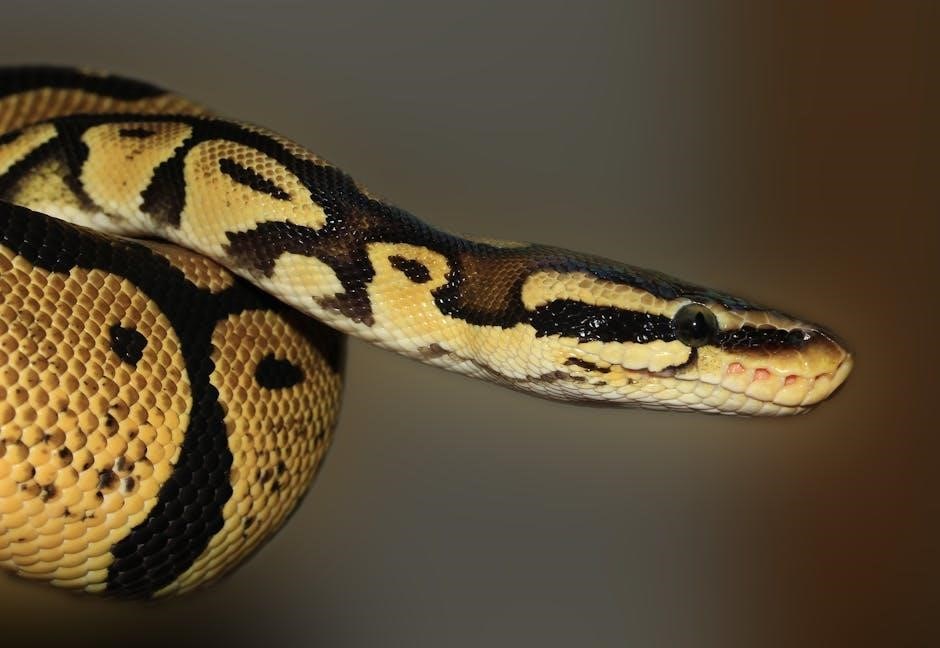
Ball python morphs are naturally occurring genetic variations within the species Python regius, selectively bred by keepers to express unique traits. These traits manifest as alterations in color, pattern, and even scale texture, creating a stunning diversity. Essentially, a morph is a different appearance of the same species, not a hybrid.
Unlike creating new species, morphs arise from changes in genes – dominant, recessive, co-dominant, or incomplete dominant – passed down from parent snakes. Breeders carefully pair snakes with desired genes to predictably produce offspring with specific combinations of traits. The world of ball python morphs is constantly evolving, with new combinations appearing regularly, making it a captivating hobby for reptile enthusiasts.
The Genetics Behind Ball Python Morphs
Understanding ball python genetics is key to appreciating morphs. Snakes possess pairs of genes, one inherited from each parent. Dominant genes express their trait even with only one copy, while recessive genes require two copies for visible expression. Co-dominant genes show a blended trait when paired, and incomplete dominant show a third distinct trait.
“Het” (heterozygous) indicates a snake carries a recessive gene without displaying it. Breeders use this to predict offspring traits. MorphMarket’s color coding – blue for dominant/incomplete dominant, purple for super forms, orange for het recessive, and pink for visual recessive – simplifies identification. Complex morphs result from combining multiple genes, requiring careful tracking of lineage to predict outcomes.
Commonly Available Morphs
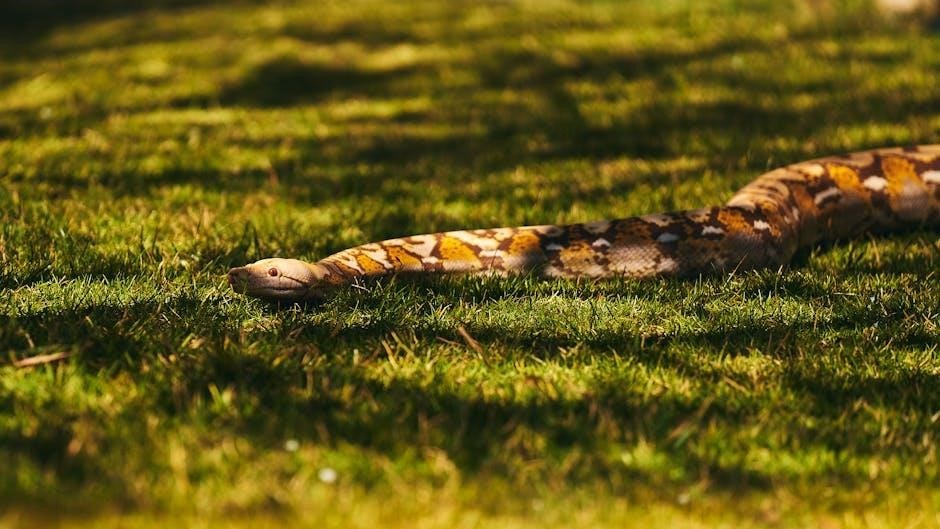
Several ball python morphs are widely accessible to hobbyists, offering beautiful variations at reasonable prices. These include Albino, Pied, Pastel, Spider, Pin Stripe, and Banana morphs.
Albino Morph
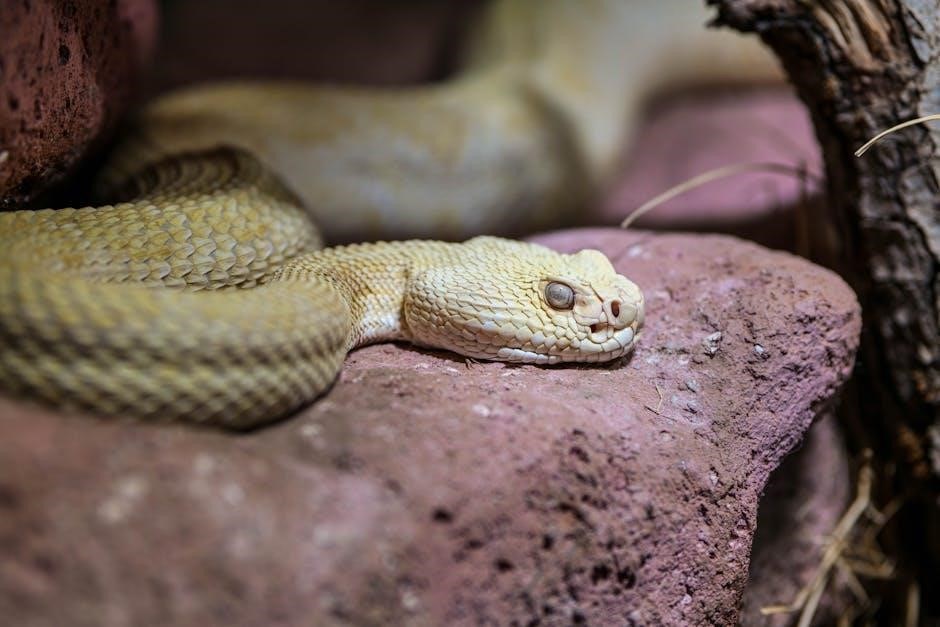
The Albino morph is a classic and highly sought-after variation in ball pythons, characterized by the complete absence of dark pigmentation. This results in a striking appearance featuring bright yellow and white coloration, often with reddish or orange hues. It’s a recessive genetic trait, meaning both parents must carry the gene for offspring to express the albino phenotype.
Albino ball pythons typically exhibit red or pink eyes, further enhancing their unique look. Breeders frequently combine the Albino gene with other morphs to create even more spectacular color combinations. Due to its popularity and visual appeal, the Albino morph generally commands a higher price point compared to normal or less complex variations.
Pied Morph
The Pied morph is instantly recognizable due to its patchy pattern of coloration, displaying areas of normal pigmentation interspersed with white or largely unpigmented scales. This striking appearance is caused by a recessive gene affecting the distribution of pigment cells during development. The amount of white patterning can vary dramatically, from small speckles to almost entirely white snakes.
Pied ball pythons are highly variable, making each individual unique. More extensive white patterning generally increases the value of the snake. Breeders often strive to produce “super pieds,” which exhibit nearly complete white coloration. Like other recessive morphs, both parents must carry the gene for offspring to display the Pied phenotype.
Pastel Morph
The Pastel morph is a popular and versatile co-dominant gene known for its brightening effect on the snake’s base coloration. It typically results in a yellow or orange hue, enhancing the vibrancy of other patterns and morphs. Pastel ball pythons often exhibit reduced pattern contrast and a cleaner appearance compared to normal ball pythons.
As a co-dominant gene, possessing one copy (het) results in a noticeable effect, while two copies (super pastel) intensify the coloration further, sometimes leading to a “washed out” look. Pastel is frequently combined with other morphs to create stunning visual combinations, making it a cornerstone of many breeding projects.
Spider Morph
The Spider morph is a recessive gene highly sought after for its striking web-like pattern, dramatically altering the ball python’s appearance. However, it’s also notoriously linked to neurological issues, making it a controversial morph within the community. These issues can manifest as head wobble, erratic behavior, and difficulty feeding, significantly impacting the snake’s quality of life.
Due to these concerns, many breeders are actively discouraging the continued breeding of Spider morphs, and responsible owners prioritize the well-being of these animals. Potential buyers should be fully aware of the risks before acquiring a Spider ball python, and prioritize ethical sourcing.
Pin Stripe Morph
The Pin Stripe morph is characterized by a clean, unbroken stripe of color running along each side of the snake’s body, creating a visually appealing and distinct pattern. This morph is a co-dominant gene, meaning a snake needs two copies to fully express the trait – a single copy results in a “het” or heterozygous state.
Pin Stripes are relatively common and widely available, making them a popular choice for both beginner and experienced keepers. They readily combine with other morphs, enhancing their visual complexity and creating a vast array of stunning combinations. They generally don’t present any known health concerns.
Banana Morph
The Banana morph is instantly recognizable due to its bright yellow coloration and contrasting pattern, resembling – you guessed it – a banana! This recessive gene requires two copies for full expression, meaning both parents must carry the gene to produce a visual Banana. Hets for Banana are often sought after for breeding projects.
While visually striking, Banana morphs are known to sometimes exhibit neurological issues, though generally less severe than those associated with the Spider morph. Responsible breeders prioritize health and temperament when working with this morph, carefully monitoring for any concerning behaviors. Careful consideration is advised.
Intermediate Morphs — Increasing Complexity
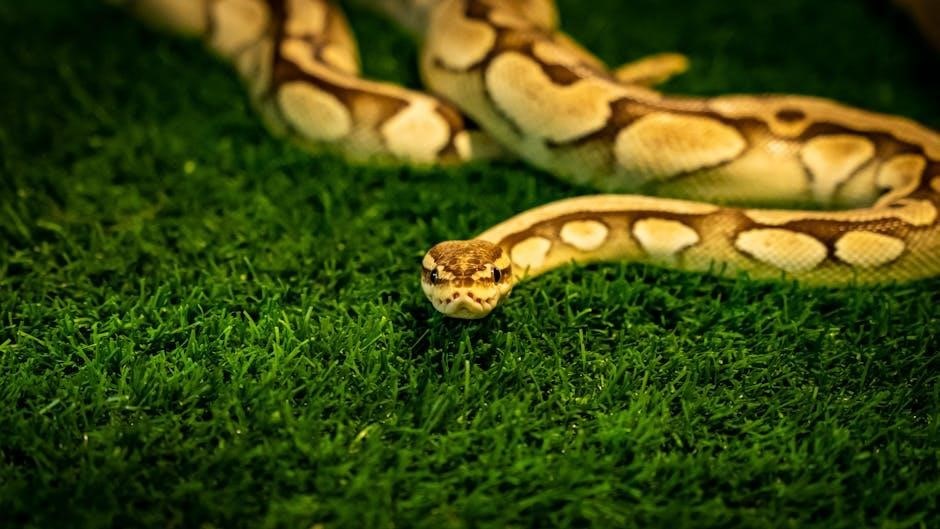
Intermediate morphs build upon foundational genes, creating more intricate patterns and colors through combined genetics and selective breeding practices.
Mojave Morph
The Mojave morph is a recessive gene known for its striking appearance and significant impact on pattern reduction in ball pythons. When paired with another Mojave, or combined with certain other morphs, it dramatically alters the snake’s coloration and scale structure. Mojave often introduces a bright, clean look, frequently resulting in reduced patterns and a generally brighter overall appearance.
It’s a popular choice for creating complex combinations, particularly when combined with genes like Spider, Buttercup, or Enchi, leading to visually stunning and highly sought-after designer morphs. Breeders value Mojave for its consistent expression and its ability to enhance the aesthetic qualities of other genetic traits. However, careful consideration is needed when combining it with other potentially problematic genes.
Buttercup Morph
The Buttercup morph is a recessive gene that significantly impacts the yellow pigmentation within a ball python’s pattern. It’s characterized by a dramatic reduction in dark pigment, resulting in a brighter, more yellow-based snake. This morph often exhibits a “washed-out” appearance, with reduced contrast between the pattern and the background color.
Buttercup is frequently used in combination with other morphs, like Mojave or Enchi, to create visually appealing and complex combinations. These pairings often enhance the brightness and clarity of the resulting patterns. Breeders appreciate Buttercup for its consistent expression and its ability to create unique color variations. As with other recessive genes, both parents must carry the Buttercup gene for it to be expressed in offspring.
Lesser Morph
The Lesser morph is a recessive trait known for its significant reduction of dark pigment, creating a lighter, brighter appearance in ball pythons. Unlike some other morphs, Lesser typically doesn’t eliminate dark pigment entirely, but rather drastically reduces its intensity. This results in a snake with a pale yellow or cream base color and faded patterns.
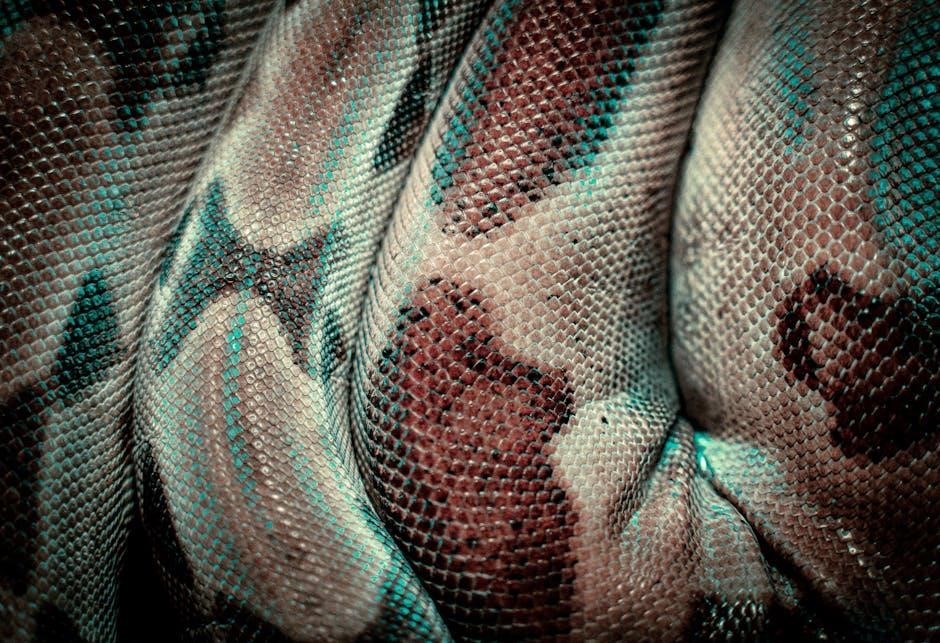
Lesser is a popular choice for breeding projects, often combined with other morphs like Mojave or Enchi to produce stunning visual combinations. It’s considered a building block morph, meaning it’s frequently used to create more complex and expensive designer morphs. Both parents must carry the Lesser gene for offspring to visually express the trait.
Enchi Morph
The Enchi morph is a recessive trait characterized by a unique, busy pattern and often a brighter, cleaner appearance than normal ball pythons. “Enchi” stands for “enhanced,” reflecting the intensified pattern and coloration. These snakes typically exhibit a high-contrast look with reduced dark pigment, resulting in a striking visual effect.
Enchi is highly sought after by breeders for its ability to enhance other morphs when combined. It’s frequently paired with morphs like Lesser or Mojave to create complex and visually appealing combinations. Like Lesser, both parents must carry the Enchi gene for offspring to visually express this recessive trait, making it a valuable component in advanced breeding projects.
Reticulated Morph
The Reticulated morph, a recessive trait, displays a striking network of lines resembling the skin of a reticulated python – hence the name. This pattern dramatically alters the typical ball python markings, creating a visually complex and highly desirable appearance. Reticulated ball pythons often exhibit reduced dark pigment, enhancing the clarity of the reticulated pattern itself.
Breeders value the Reticulated morph for its ability to create stunning combinations when paired with other genes. Like other recessive traits, both parents must carry the gene for offspring to visually express it. It’s a popular choice for creating unique and high-value designer morphs, contributing to the ever-expanding diversity within the ball python hobby.
Advanced & Designer Morphs
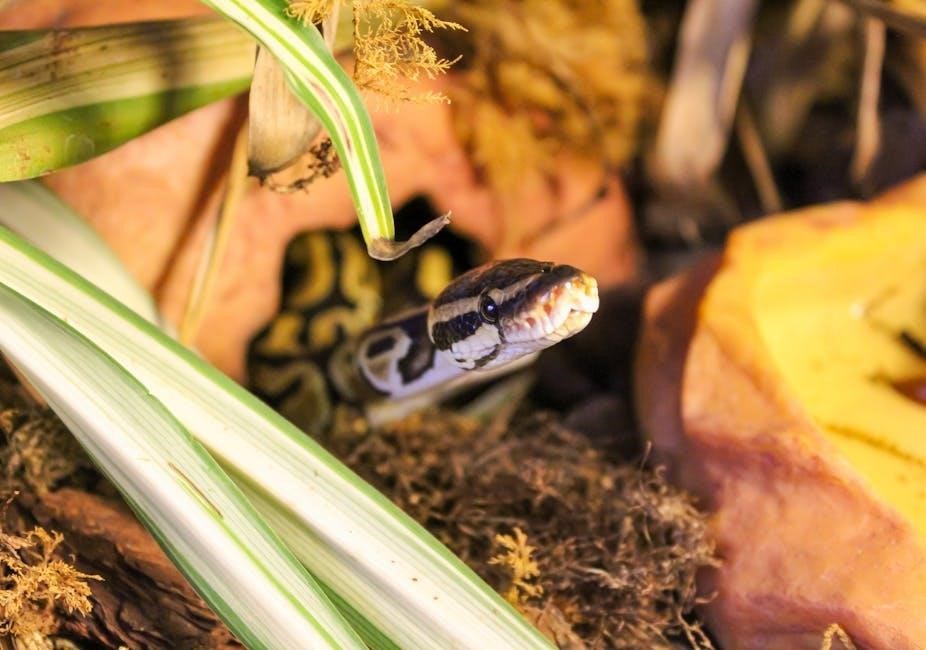
Advanced morphs showcase complex genetic combinations, resulting in rare and visually striking ball pythons prized by collectors for their unique aesthetics.
GHI Morph
The GHI morph is a recessive trait resulting in a dramatic reduction of dark pigment, creating a strikingly bright and clean appearance in ball pythons. GHI stands for Ghost, Hypomelanistic, and Ivory, representing the genes contributing to its unique look. These snakes often exhibit a pale yellow or cream base color with minimal dark markings.
Visually, GHI morphs can range in expression, with some displaying a more washed-out appearance than others. Breeding GHI to GHI results in a “super” GHI, further enhancing the reduction of dark pigment. This morph is frequently combined with others to produce even more complex and visually appealing combinations, increasing their desirability among collectors. Careful consideration should be given to pairings, as GHI can amplify visual defects in other genes.
Axanthic Morph
The Axanthic morph is a recessive genetic trait characterized by the complete absence of yellow pigment, resulting in a striking black and white appearance in ball pythons. “A” means “without” and “xanthic” refers to yellow, aptly describing this morph’s defining feature. Axanthics typically display a stark contrast between their dark scales and lighter patterns, creating a bold and unique look.
When bred together, two axanthic snakes produce “super axanthic” offspring, intensifying the black and white coloration. This morph is highly sought after for its dramatic appearance and is frequently combined with other genes to create stunning visual combinations. However, axanthics can sometimes exhibit neurological issues, so responsible breeding practices are crucial.
Leucistic Morph
The Leucistic morph represents a remarkable recessive trait in ball pythons, resulting in a significant reduction of all pigments – melanin, carotenoids, and iridophores. This leads to a predominantly white or very pale snake with typically dark eyes. Unlike albinos, leucistics retain some pigment, often appearing as grey or silver shading, particularly along the spine and in patterns.
Leucistic ball pythons are relatively rare and highly prized by collectors. Breeding two leucistics together produces “super leucistics,” which exhibit an even more intense white coloration. Careful consideration should be given to breeding, as some leucistics can experience health complications. They are truly breathtaking snakes!
Candy Yam Morph
The Candy Yam morph is a complex, multi-gene recessive combination that produces a stunning and highly sought-after appearance in ball pythons. It typically involves the combination of Pastel, Spider, and potentially other genes, resulting in a vibrant, reddish-brown base color with bright yellow or orange accents. The pattern is often reduced and busy, creating a visually striking effect.
Candy Yams are known for their unique coloration and pattern, making them popular among experienced keepers and breeders. However, due to the Spider lineage, potential neurological concerns should be carefully considered. Responsible breeding practices are crucial to minimize these risks and ensure healthy offspring.
Black Pastel Morph
The Black Pastel morph is a co-dominant gene that dramatically alters the appearance of ball pythons, intensifying colors and reducing pattern contrast. It’s known for creating a darker, richer base color, often appearing almost black, combined with vibrant yellows and oranges. This morph enhances the overall visual impact, making the snake appear bolder and more striking.
Black Pastels are relatively straightforward to work with genetically and are popular for creating various combinations. They generally don’t carry the same neurological concerns as some other complex morphs, making them a safer option for beginner breeders. Their striking appearance contributes to their continued demand.
Morphs to Approach with Caution
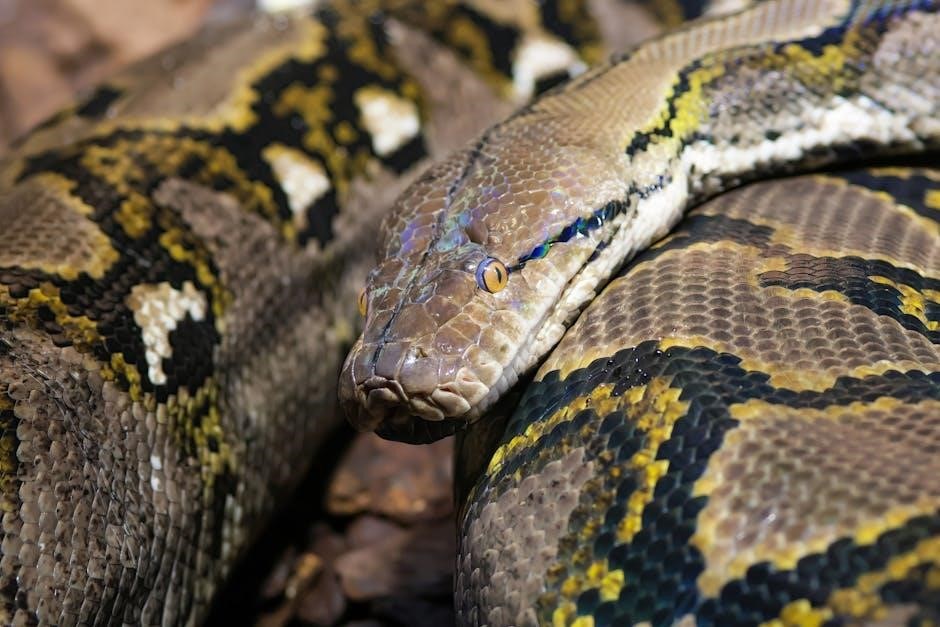
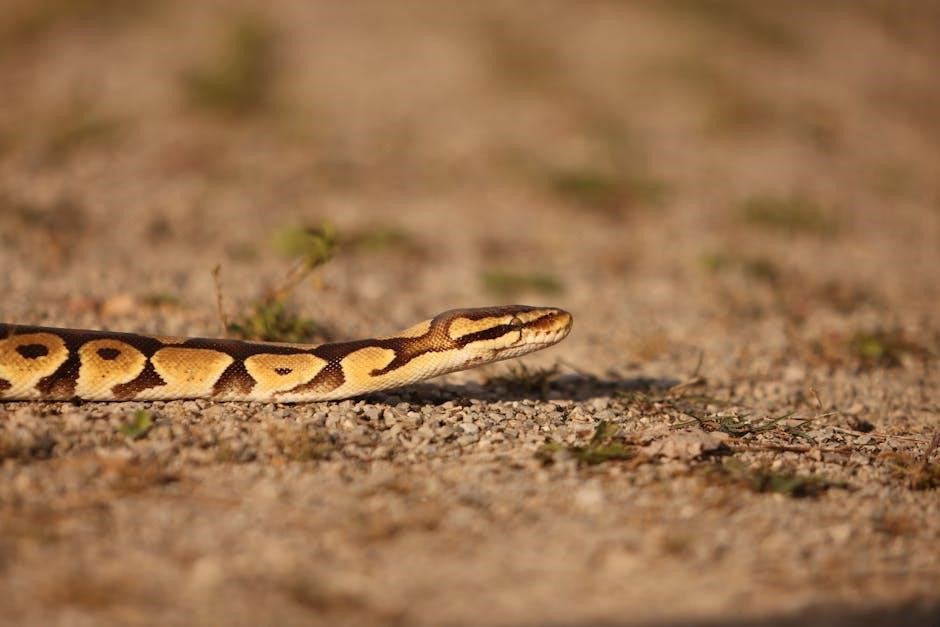
Certain ball python morphs, like Spider, are linked to neurological issues and require careful consideration before acquisition or breeding, prioritizing animal welfare.
Spider Morph Concerns ⎻ Neurological Issues
The Spider morph, while visually striking, is unfortunately well-known within the ball python community for its association with neurological problems. These issues can manifest as an abnormal head wobble, often described as a “wobbly” or “spinning” behavior, and can significantly impact the snake’s quality of life. Some affected individuals experience difficulty with coordination, feeding problems, and even seizures.
The exact genetic cause remains complex, but it’s believed to involve disruptions in the snake’s neurological development. Responsible breeders are actively working to reduce the prevalence of these issues, but the morph continues to be controversial. Potential owners should be fully aware of the risks and prepared to provide specialized care if needed, or consider avoiding the morph altogether.
Other Morphs with Potential Genetic Problems
Beyond the Spider morph, several other ball python morphs have been linked to potential health concerns, though often to a lesser degree. The Blueprint morph, for example, has shown some association with neurological issues, though research is ongoing. Similarly, some combinations involving the genetic factors of the Banana morph can occasionally lead to neurological symptoms or kinks in the spine.
It’s crucial to remember that genetic issues aren’t always guaranteed, and many snakes carrying these genes live perfectly healthy lives. However, prospective owners should research thoroughly, choose reputable breeders prioritizing health, and be prepared for potential veterinary costs. Careful observation and proactive care are essential for any ball python, but particularly those with complex genetics.
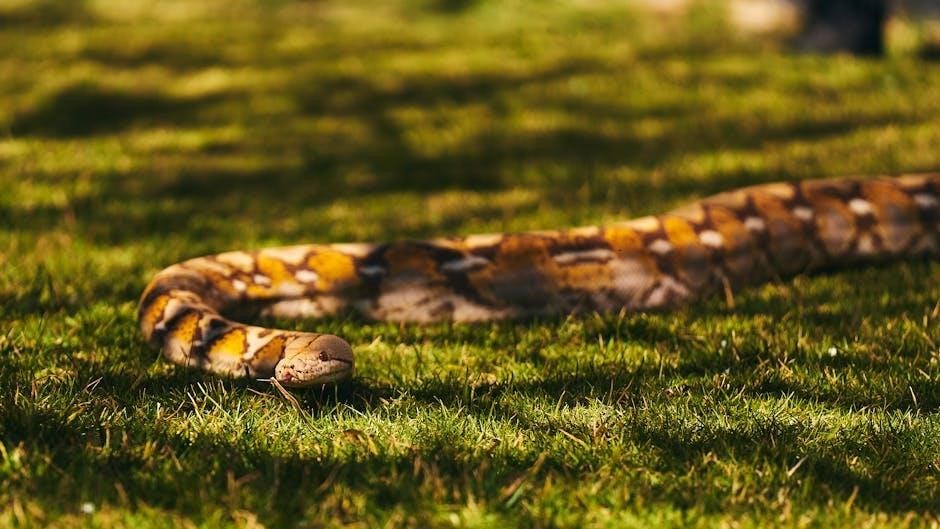
Understanding MorphMarket Color Coding
MorphMarket utilizes color-coding to quickly indicate a morph’s genetic inheritance pattern. This system simplifies understanding whether a trait is dominant, recessive, or co-dominant.
Blue Color Coding
On MorphMarket, a blue color coding signifies that the particular morph in question exhibits either incomplete dominance or a dominant genetic trait. This means that a single copy of the gene is sufficient for the visual expression of the morph. Essentially, if a ball python possesses just one allele for a blue-coded trait, it will visibly display that characteristic.
However, it’s crucial to remember that incomplete dominance can lead to varying expressions of the morph depending on the other alleles present. Understanding this distinction is key when predicting potential offspring characteristics. Blue coding provides a quick visual cue for breeders and hobbyists alike, streamlining the process of identifying genetic potential within a lineage.
Purple Color Coding
A purple color coding on MorphMarket distinctly indicates that the morph represents the “super” form of an incomplete dominant trait. This means the ball python must possess two copies of the gene to fully express the morph’s visual characteristics. Unlike a single copy resulting in a partial or altered expression, the purple designation confirms a complete and intensified display of the genetic trait.
Essentially, breeding two individuals carrying a single copy of the incomplete dominant gene has the potential to produce offspring exhibiting the full “super” morph, denoted by the purple color. This is a vital piece of information for breeders aiming to create specific combinations and enhance desired traits.
Orange Color Coding
On MorphMarket, an orange color coding signifies that the ball python is heterozygous, or “het,” for a recessive trait. This means the snake carries one copy of the gene responsible for a particular morph, but does not visually express it. However, it can pass that gene onto its offspring.
To produce a visually expressed recessive morph, two heterozygous individuals (both orange-coded) must be bred together. This pairing has a 25% chance of yielding a snake displaying the full recessive trait. Understanding this coding is crucial for breeders planning to work with recessive genes and achieve specific genetic outcomes in their ball python projects.
Pink Color Coding
A pink color coding on MorphMarket indicates that the ball python visually expresses a recessive genetic trait. Unlike heterozygous (orange-coded) snakes, these individuals possess two copies of the recessive gene, resulting in a noticeable and consistent appearance. This means the snake displays the full characteristics of that particular morph.
Recessive traits require both parents to contribute the gene for it to manifest in offspring. Pink-coded snakes are valuable breeding stock for consistently producing that specific morph, though careful planning is needed to avoid unwanted genetic combinations.
Resources for Further Research
Dive deeper into ball python morphs using comprehensive resources like MorphMarket and dedicated encyclopedias for detailed genetics and visual guides.
MorphMarket
MorphMarket stands as an invaluable online resource for ball python enthusiasts and breeders alike. It’s a dynamic platform boasting an extensive database of morphs, complete with detailed information, photographs, and breeder listings. Beyond simply showcasing available snakes, MorphMarket provides a crucial color-coding system to quickly understand genetic traits.
Blue indicates incomplete dominant or dominant genes, purple signifies the “super” form of an incomplete dominant trait, orange denotes heterozygous (het) status for a recessive gene, and pink represents a visual recessive morph. This intuitive system simplifies the complexities of ball python genetics, aiding in informed purchasing decisions and breeding plans. Regularly updated, MorphMarket remains the most comprehensive and accessible resource available.
Ball Python Morph Encyclopedias
Dedicated ball python morph encyclopedias offer in-depth explorations of these captivating reptiles, often compiled by experienced breeders and enthusiasts. These resources frequently detail the history of each morph, its genetic origins, and associated characteristics. Many encyclopedias provide extensive photographic galleries, allowing for visual comparison and identification.
Due to platform limitations, some older encyclopedias have been superseded by newer, more accessible versions, often hosted on forums or dedicated websites. These updated resources benefit from community contributions, ensuring accuracy and reflecting the latest discoveries in ball python genetics. They represent a commitment to knowledge sharing within the reptile community, aiding both newcomers and seasoned keepers.