
manual high school shooting
Understanding Manual High School Shootings: A Comprehensive Plan
This plan analyzes US firearm deaths and school shootings (2017-2022), utilizing CDC, WISQARS, and Everytown data to address prevention strategies and risk factors.
The escalating frequency of school shootings represents a profound national crisis, demanding urgent and comprehensive attention. Recent data, spanning 2017-2022, reveals disturbing trends in intentional firearm deaths among youth, necessitating a reevaluation of existing prevention efforts. This study draws upon resources from the Centers for Disease Control and Prevention (CDC), the web-based injury statistics query and reporting system (WISQARS), and Everytown Research & Policy to provide a detailed assessment.
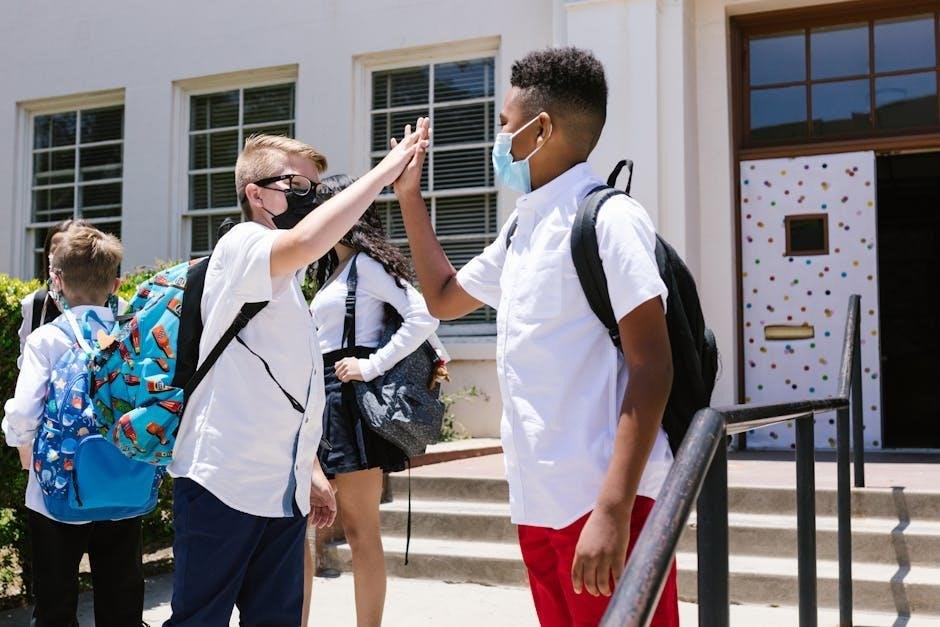
Understanding the complex factors contributing to these tragedies – encompassing socioeconomic disparities, school environment, and access to firearms – is crucial. Effective prevention requires a multi-faceted approach, moving beyond reactive measures towards proactive strategies focused on early intervention and threat assessment.
II. Defining “Manual” High School Shootings
For the purpose of this analysis, “manual” high school shootings are defined as incidents involving the intentional discharge of a firearm(s) on school property, resulting in injury or death, perpetrated by an individual acting with premeditation and direct agency; This excludes accidental discharges or instances stemming from gang-related activity occurring off school grounds.
The focus is on events where the perpetrator actively selects the school as a target and initiates the violence. Data collection relies on consistent categorization from sources like Everytown Research & Policy, ensuring accurate tracking of these specific events. This precise definition is vital for focused research and effective prevention strategies.
III. Historical Trends in US School Shootings (2017-2022)

Analysis of data from 2017-2022 reveals a concerning trend in US school shootings, utilizing information from the CDC’s WISQARS, and Everytown Research & Policy. While fluctuations occurred year to year, overall rates of intentional firearm deaths among youth (ages 5-18) demonstrated an upward trajectory during this period.
Initial data indicated a rise in incidents, prompting a re-evaluation of prior examinations. The period witnessed a notable increase in both the frequency and severity of school shooting events, necessitating a comprehensive understanding of contributing factors and effective preventative measures. Further detailed breakdowns are provided in subsequent sections.
III.A. Data Sources: CDC, WISQARS, Everytown Research & Policy
This study relies on robust data from leading sources to ensure accuracy and comprehensiveness. The Centers for Disease Control and Prevention (CDC) provides vital statistics on firearm-related deaths. WISQARS, the CDC’s web-based injury statistics query and reporting system, offers detailed injury data.
Crucially, data specifically pertaining to school shootings from 2017-2022 were sourced from Everytown Research & Policy, a prominent organization dedicated to gun violence prevention. Combining these datasets allows for a multifaceted analysis of trends, risk factors, and the impact of school shootings across the United States.
III.B. Overall Trends in Firearm Deaths Among Youth (5-18)
Analysis of national data reveals a concerning trend in firearm deaths affecting young people. Examining statistics from 2017-2022, researchers observed fluctuations in both intentional and unintentional firearm-related fatalities within the 5-18 age group. This includes suicides, homicides, and accidental shootings, providing a broader context for understanding school shooting incidents.
Data from the National Vital Statistics System (NVSS) is crucial for contextualizing school-associated violent deaths. Understanding these overall trends is essential for developing effective prevention strategies and allocating resources appropriately to address youth firearm violence.

IV. Factors Contributing to School Shootings
Numerous interconnected factors contribute to the complex issue of school shootings. Socioeconomic disparities and the overall school environment play significant roles, with research suggesting a correlation between adverse conditions and increased risk. Investigations reveal that schools involved in shootings exhibit varied characteristics – size, location, and student-teacher ratios – defying a singular “at-risk” profile.
Furthermore, studies indicate a disproportionate incidence of shootings in urban, low-income schools with higher minority populations. Identifying and addressing these underlying factors is crucial for proactive prevention efforts and fostering safer learning environments.
IV.A. Socioeconomic Factors & School Environment
Socioeconomic disadvantages significantly impact school safety, creating environments where students may face increased stress and limited opportunities. Poverty, lack of resources, and community instability can contribute to feelings of hopelessness and alienation, potentially escalating risk factors. The school environment itself – encompassing climate, discipline policies, and access to support services – is equally critical.
Schools lacking adequate mental health resources, exhibiting bullying issues, or fostering a negative climate may inadvertently contribute to a heightened vulnerability. Addressing these systemic issues is paramount for creating supportive and secure learning spaces.
IV.B. Urban vs. Rural School Shootings: A Comparative Analysis
Comparative analysis reveals distinct patterns between urban and rural school shootings. Research suggests urban schools, particularly those in low-income and high-minority areas, experience a disproportionately higher incidence of shootings overall. This correlation often links to concentrated poverty, gang activity, and limited access to resources.
Conversely, rural school shootings, while less frequent, often exhibit characteristics of premeditation and a desire for notoriety. Access to firearms and feelings of social isolation may play a more prominent role in these instances. Understanding these nuanced differences is crucial for tailoring effective prevention strategies.
IV.C. Racial Composition and Shooting Incidence
Examining the relationship between racial composition and school shooting incidence reveals complex patterns. Data indicates that schools with higher proportions of minority students, particularly in urban settings, experience a greater number of shooting events. This is often intertwined with socioeconomic factors, including concentrated poverty and systemic inequities in resource allocation.
However, it’s crucial to avoid generalizations and recognize that school shootings are not solely attributable to racial demographics; Further research is needed to disentangle the interplay between race, socioeconomic status, and access to support services. Addressing underlying social determinants is vital for equitable prevention efforts.
V. Identifying At-Risk Schools: Challenges and Limitations
Pinpointing schools vulnerable to shootings presents significant challenges. A definitive “at-risk” profile remains elusive, as incidents occur in diverse school environments. Characteristics like size, location (urban vs. rural), and student-teacher ratios vary considerably among affected schools, hindering predictive modeling. Socioeconomic levels and racial composition also demonstrate wide variability.
The absence of consistent indicators complicates proactive intervention. Relying solely on observable factors risks overlooking crucial underlying issues. A nuanced understanding of school climate, mental health resources, and community context is essential for effective risk assessment.

V.A. Lack of a Definitive “At-Risk” School Profile
Establishing a clear profile of schools prone to shootings proves remarkably difficult. No single characteristic consistently predicts an incident. Schools involved have exhibited diverse socioeconomic statuses, ranging from affluent to impoverished, and varied racial compositions. Size discrepancies are also notable, with shootings occurring in both large and small institutions.
Location plays an inconsistent role; incidents happen in urban, suburban, and rural settings. Student-teacher ratios also lack a predictive correlation. This heterogeneity underscores the complexity of the issue and challenges simplistic preventative approaches, demanding a more holistic assessment.
V.B. Variability in School Characteristics (Size, Location, Ratios)

Significant variability exists across schools experiencing shootings, complicating efforts to pinpoint common vulnerabilities. School sizes range dramatically, from small rural institutions to large urban comprehensive high schools; Geographic location is equally diverse, encompassing incidents in densely populated cities, sprawling suburbs, and isolated rural communities.
Furthermore, student-teacher ratios demonstrate no consistent pattern. Schools with both high and low ratios have been affected. This lack of uniformity suggests that focusing solely on these readily quantifiable characteristics is insufficient for accurate risk assessment and targeted prevention strategies.
VI. The Role of Mental Health
Mental health is a crucial, yet complex, factor in understanding school shootings. While not all students with mental health challenges pose a threat, untreated or inadequately addressed mental health issues can contribute to escalated risk. Early identification and access to comprehensive mental health support services are paramount for prevention.
However, attributing shootings solely to mental illness is overly simplistic and stigmatizing. A confluence of factors, including social, environmental, and access to firearms, typically contribute to such tragedies. Effective prevention requires a holistic approach addressing all relevant elements.
VII. Access to Firearms
Easy access to firearms significantly elevates the risk of school shootings. The availability of firearms, particularly those easily concealable and capable of rapid, mass harm, is a critical component in the escalation of potential threats. Restrictions on access, including universal background checks and limitations on assault weapons, are frequently debated preventative measures.
However, access alone isn’t sufficient; it often intersects with other risk factors like mental health concerns, social isolation, and exposure to violence. Secure storage practices are also vital to prevent unauthorized access, especially by individuals exhibiting warning signs or experiencing a crisis.
VIII. Online Indicators and Pre-Attack Behaviors
Monitoring online activity can reveal crucial pre-attack indicators. Individuals planning school shootings often exhibit concerning behaviors online, including expressing violent ideation, fascination with past shooters, or acquiring weapons-related information. Online threat assessment involves identifying and evaluating these digital footprints, requiring specialized training and ethical considerations.
Social media monitoring, while potentially valuable, raises privacy concerns and must be conducted responsibly. Anonymous reporting systems and tip lines, facilitated through online platforms, can empower students and community members to report suspicious activity, potentially averting tragedies. Early detection is paramount.
VIII.A. Online Threat Assessment
Effective online threat assessment requires a multidisciplinary approach, combining technological tools with expert analysis; This process involves identifying concerning online communications – violent rhetoric, weapon discussions, or expressions of hopelessness – and evaluating the credibility of the threat. Context is crucial; isolated statements require careful interpretation.
Trained professionals must assess the individual’s intent, capability, and potential for escalation. Collaboration between school officials, law enforcement, and mental health experts is essential. Prioritizing privacy while ensuring safety presents a significant challenge, demanding clear protocols and legal guidance.
VIII.B. Social Media Monitoring (Ethical Considerations)
Social media monitoring for threat detection presents complex ethical dilemmas. Balancing student safety with privacy rights is paramount. Blanket surveillance raises concerns about freedom of speech and potential profiling, demanding narrowly tailored approaches focused on credible threats, not protected expression.
Transparency is vital; students and parents should be informed about monitoring policies. Data security and responsible handling of sensitive information are crucial. False positives can lead to unwarranted interventions, damaging reputations and trust. Legal frameworks and clear guidelines are necessary to navigate these challenges responsibly.
IX. Prevention Strategies: A Multi-Faceted Approach
Effective school shooting prevention demands a comprehensive, multi-faceted strategy. Anonymous reporting systems and tip lines empower students and community members to share concerns safely. Text-based crisis lines offer immediate mental health support, crucial for early intervention. However, these tools require promotion and accessibility to maximize impact.
The role of School Resource Officers (SROs) is debated; while providing security, concerns exist regarding potential over-criminalization and disproportionate impact on minority students. A holistic approach prioritizing mental health, positive school climate, and threat assessment teams is essential for lasting change.
IX.A. Anonymous Reporting Systems & Tip Lines
Anonymous reporting systems and tip lines represent a proactive prevention measure, enabling students, staff, and community members to discreetly report potential threats or concerning behaviors. These systems must be widely publicized and easily accessible, fostering a culture of vigilance. Successful implementation requires clear protocols for evaluating and responding to submitted tips, ensuring swift and appropriate action.
Confidentiality is paramount to encourage reporting; individuals must trust their information will be handled sensitively. However, anonymity shouldn’t hinder thorough investigations when credible threats are identified. These systems are most effective when integrated with broader mental health support and threat assessment protocols.

IX.B. Text-Based Crisis Lines and Mental Health Support
Text-based crisis lines offer a vital, accessible avenue for students struggling with mental health challenges, potentially mitigating risk factors associated with school shootings. These services provide immediate support from trained counselors via text message, appealing to youth who may be hesitant to engage in traditional phone calls or face-to-face interactions.
Integrating these lines with school counseling services ensures a continuum of care. Proactive mental health support, including early identification programs and accessible counseling, is crucial. Promoting awareness of these resources and destigmatizing mental health help-seeking behavior are essential components of a comprehensive prevention strategy.
IX.C. School Resource Officers (SROs): Effectiveness and Concerns
The deployment of School Resource Officers (SROs) remains a debated strategy in preventing school shootings. Proponents argue SROs enhance security, provide immediate response capabilities, and foster positive relationships with students. However, concerns exist regarding the potential for increased student arrests, particularly among minority students, and the “school-to-prison pipeline.”
Effectiveness hinges on comprehensive SRO training, emphasizing de-escalation techniques, mental health awareness, and positive youth engagement. Clear guidelines defining SRO roles – focusing on safety and mentorship rather than disciplinary actions – are vital. Careful consideration of community context and potential unintended consequences is paramount.
X. The FBI’s Active Shooter Incidents Data
The Federal Bureau of Investigation (FBI) maintains data on active shooter incidents, providing crucial insights into patterns and characteristics. This data encompasses incidents occurring in various locations, including schools, and details factors such as the shooter’s motivations, weapons used, and tactics employed. Analyzing these trends helps refine prevention strategies and improve response protocols.
The FBI’s reporting focuses on incidents resulting in multiple casualties, offering a standardized definition of “active shooter.” Comparing this data with school-associated violent death surveillance systems (SAVD-SS) and the National Violent Death Reporting System (NVDRS) provides a broader understanding of the landscape of school violence and informs targeted interventions.
XI. School-Associated Violent Death Surveillance Systems (SAVD-SS)
The School-Associated Violent Death Surveillance System (SAVD-SS) is a vital resource for tracking and understanding school-related fatalities. This system collects data on violent deaths occurring on school grounds or during school-sponsored events, providing detailed information about the circumstances surrounding these tragedies. SAVD-SS data is crucial for identifying trends and informing prevention efforts.
Data from SAVD-SS is often compared with national homicide and suicide rates among youth (ages 5-18) obtained from the National Vital Statistics System (NVSS). This contextualization allows for a more comprehensive assessment of school violence within the broader landscape of youth mortality, aiding in targeted intervention strategies.
XII. National Violent Death Reporting System (NVDRS) School-Associated Module
The National Violent Death Reporting System (NVDRS) School-Associated Violent Death Module enhances data collection regarding school-related fatalities. This module supplements the core NVDRS by specifically focusing on incidents connected to schools, offering a more granular understanding of the factors contributing to these events. It provides crucial details beyond basic demographics, including contextual information about the circumstances.
Integrating NVDRS data with SAVD-SS and FBI active shooter incident data creates a robust framework for analyzing school violence. This comprehensive approach allows researchers and policymakers to identify patterns, assess risk factors, and develop evidence-based prevention strategies tailored to specific school environments.

XIII. Technology-Based Prevention Research
Recent research explores technology’s role in preventing school shootings, firearm injuries, and youth suicide. Online anonymous reporting systems and tip lines within schools offer a potential avenue for early intervention, allowing students and staff to discreetly report concerning behaviors or threats. These systems aim to create a safer school climate by fostering open communication and encouraging proactive reporting.
Furthermore, confidential text-based crisis lines provide immediate mental health support to young people in need. Technology facilitates access to crucial resources, potentially de-escalating situations before they escalate into violence. Research continues to evaluate the effectiveness and ethical considerations of these technological interventions.
XIV. The Impact of Media Coverage on School Shootings
Extensive media coverage following school shootings can have complex and often detrimental effects. While raising public awareness, sensationalized reporting may inadvertently contribute to copycat incidents, as potential perpetrators seek notoriety or validation through similar acts of violence. The focus on the shooter’s identity and motives can inadvertently glorify their actions, potentially inspiring others.
Responsible media practices are crucial, emphasizing the victims, survivors, and community response rather than fixating on the perpetrator. Careful consideration of language and imagery used in reporting is essential to avoid contributing to a cycle of violence and to promote healing and prevention efforts.
XV. Legal and Policy Considerations
Addressing school shootings necessitates a multifaceted legal and policy approach. This includes evaluating existing gun control laws, focusing on background checks and restrictions on access to firearms for individuals exhibiting warning signs. Policies supporting mental health services in schools and communities are vital for early intervention and support.
Legal frameworks surrounding threat assessment teams and reporting systems must be clarified and standardized. Consideration should be given to liability issues related to school safety and the responsibility of institutions to protect students. Balancing individual rights with public safety remains a central challenge in crafting effective policies.

XVI. Post-Shooting Response and Recovery
Effective post-shooting response demands coordinated efforts encompassing immediate crisis intervention, trauma-informed care for students, staff, and the wider community. Establishing clear communication protocols with families and media is crucial, alongside providing long-term mental health support services. Recovery necessitates addressing the psychological impact on survivors and those indirectly affected.
Legal and financial assistance for victims and their families must be readily available. Schools require resources for rebuilding, implementing enhanced safety measures, and fostering a sense of security. A comprehensive recovery plan should prioritize healing, remembrance, and preventing future tragedies.
XVII. The Role of Parents and Community Involvement
Parents are vital in recognizing early warning signs and fostering open communication with their children about mental health and safety concerns. Community members can contribute by supporting school safety initiatives and reporting suspicious behaviors. Collaborative partnerships between schools, families, law enforcement, and mental health professionals are essential.
Increased awareness of risk factors, coupled with active participation in threat assessment teams, empowers communities to proactively address potential threats. Promoting a positive school climate, addressing bullying, and encouraging bystander intervention are crucial components of a comprehensive prevention strategy.

XVIII. Addressing Bullying and School Climate
A negative school climate, including prevalent bullying, can contribute to feelings of isolation and resentment, potentially escalating to violence. Implementing comprehensive anti-bullying programs, fostering empathy, and promoting inclusivity are crucial preventative measures. Schools should prioritize creating a safe and supportive environment where students feel comfortable reporting concerns.
Positive Behavioral Interventions and Supports (PBIS) can improve school climate and reduce behavioral issues. Addressing socioeconomic factors and racial disparities within schools is also vital, as research suggests these can correlate with increased risk. A holistic approach is necessary.
XIX. Early Intervention Programs
Proactive early intervention programs are essential for identifying and supporting at-risk students. These programs should focus on mental health support, conflict resolution skills, and social-emotional learning. Providing access to counseling services and creating a culture of open communication can encourage students to seek help when needed.
Training staff to recognize warning signs and respond appropriately is also critical. Early identification allows for targeted interventions, potentially diverting students from a path towards violence. Addressing underlying issues like bullying and socioeconomic stressors is paramount for effective prevention.
XX. Training for School Staff and Students
Comprehensive training for both school staff and students is a vital component of a layered prevention strategy. Staff training should encompass recognizing behavioral indicators of potential threats, implementing effective threat assessment protocols, and understanding de-escalation techniques. Students need education on reporting suspicious behavior through anonymous systems or trusted adults.
Drills, while controversial, can prepare students and staff for emergency situations. However, these must be conducted sensitively to avoid trauma. Training should also address mental health awareness, fostering a supportive school climate where seeking help is normalized and encouraged, ultimately reducing risk.
XXI. The Importance of Threat Assessment Teams
Establishing multidisciplinary threat assessment teams is crucial for proactive intervention. These teams, comprising administrators, counselors, school resource officers, and mental health professionals, systematically evaluate potential threats. They analyze concerning behaviors, assess risk levels, and develop intervention plans tailored to each situation.
Effective teams require ongoing training in threat assessment methodologies and a clear understanding of legal and ethical considerations. Collaboration with law enforcement and mental health agencies is essential. A well-functioning team can identify at-risk individuals, provide support, and prevent escalation to violence, fostering a safer school environment.
XXII. Evaluating the Effectiveness of Prevention Measures
Rigorous evaluation is paramount to determine the efficacy of implemented prevention strategies. This necessitates collecting and analyzing data on the utilization of reporting systems, crisis lines, and the impact of SROs. Assessing changes in school climate, bullying rates, and student mental health indicators provides valuable insights.
Evaluation should employ both quantitative and qualitative methods, including surveys, interviews, and analysis of incident reports. Findings should inform adjustments to existing programs and guide the development of new initiatives. Continuous monitoring and data-driven decision-making are essential for optimizing school safety efforts.
XXIII. Future Research Directions
Further research must prioritize identifying nuanced risk factors beyond broad socioeconomic indicators. Investigating the interplay between online radicalization, access to firearms, and untreated mental health conditions is crucial. Longitudinal studies tracking at-risk youth are needed to understand pre-attack behaviors and intervention effectiveness.
Expanding data collection through the NVDRS School-Associated Module and SAVD-SS will enhance surveillance capabilities. Research should also focus on evaluating the long-term impact of media coverage and developing evidence-based strategies for responsible reporting. Technology-based prevention research warrants continued investment.